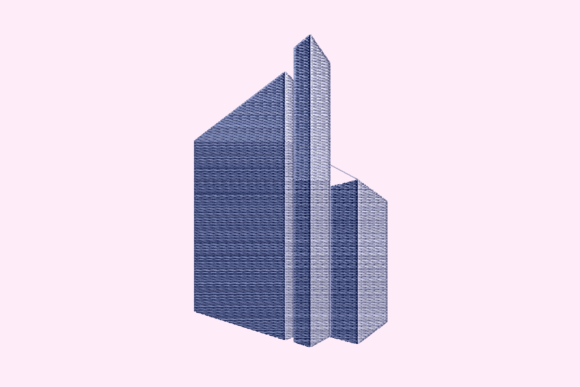
Cube 3D: Elevating Your Embroidery with Geometric Precision
When you are looking to add a striking, modern accent to your textile projects, the Cube 3D embroidery design offers a compelling solution. This is not just another geometric pattern; it is a high-quality digital asset designed to make your creations seem out of this world. Whether you are stitching on tote bags for a small business, customizing apparel for a boutique, or simply experimenting with fabric in your home studio, the Cube 3D design brings a sophisticated, architectural flair that stands out.
The appeal of this design lies in its versatility and its ability to bridge the gap between traditional handcraft and modern digital aesthetics. It provides a clean, sharp look that works exceptionally well as a focal point. However, achieving that professional, "out of this world" finish requires more than just loading the file into your machine. There are specific nuances regarding fabric choice, stabilizer selection, and thread tension that can make the difference between a mediocre result and a masterpiece. Let us explore how to get the most out of this design while avoiding common pitfalls that often frustrate both beginners and experienced embroiderers.
Understanding the Design’s Potential
The Cube 3D design is characterized by its use of negative space and precise stitching lines to create an optical illusion of depth. It relies heavily on the contrast between the background fabric and the thread, as well as the density of the stitches themselves. When executed correctly, the cube appears to pop off the surface, adding texture and dimensionality that flat designs simply cannot achieve.
This makes it an excellent choice for brands and creators who want their logo or decorative element to have presence. For entrepreneurs, this means higher perceived value for the finished product. For hobbyists, it means a satisfying challenge that results in a visually impressive piece. The design comes with multiple embroidery file formats, ensuring compatibility across a wide range of machines, from basic domestic models to high-end commercial units. This accessibility is one of its strongest selling points, but it also introduces variables that must be managed carefully.
Common Mistakes That Compromise Quality
Even with a robust design file, the final output is only as good as the preparation and execution. One of the most frequent errors is underestimating the importance of stabilization. Because the Cube 3D design involves dense areas of stitching to create its three-dimensional effect, insufficient support will lead to puckering, misalignment, or even needle breakage. Many users rush this step, assuming that any stabilizer will suffice. In reality, the type of stabilizer must match the weight and stretch of your fabric. For knit fabrics, a tear-away or cut-away stabilizer with adequate hoop size is essential to prevent distortion.
Another critical oversight is ignoring thread tension. The geometric precision of the cube demands consistent stitch length and uniform tension. If the top tension is too loose, the bobbin thread may show through, ruining the clean lines. If it is too tight, the fabric may pucker around the edges of the cube, flattening the intended 3D effect. Beginners often blame the design file when they encounter these issues, whereas the problem usually lies in machine calibration or improper threading.
Furthermore, there is a misconception that all fabrics are suitable for this level of detail. While the design is versatile, extremely loose weaves or highly textured fabrics can obscure the sharp angles of the cube. In such cases, the geometric integrity is lost, and the design may appear muddy or indistinct. Choosing a tightly woven cotton, polyester blend, or denim ensures that every line remains crisp and defined.
Why These Errors Matter
These mistakes do more than just ruin a single project; they impact efficiency, cost, and overall satisfaction. A failed embroidery run wastes time, thread, and materials. For small business owners, this translates directly into financial loss and potential damage to reputation if customers receive subpar products. Even for hobbyists, the frustration of correcting errors can dampen the creative spirit. By understanding these risks upfront, you can approach the project with confidence and precision.
Practical Advice for Flawless Execution
To ensure your Cube 3D embroidery turns out exactly as envisioned, start by testing the design on a scrap piece of your chosen fabric. This allows you to adjust tension, test stabilizer types, and evaluate the visual impact before committing to the final piece. Pay close attention to the direction of the grain; aligning the cube with the natural drape of the fabric can enhance the overall aesthetic.
Invest time in hooping techniques. Ensure the fabric is taut but not stretched to the point of distortion. A properly hooped fabric will maintain its shape throughout the stitching process, preserving the geometric accuracy of the cube. Additionally, consider using a water-soluble topping for fabrics that tend to shift or fray. This temporary layer helps keep stitches in place and prevents them from sinking into the fabric weave, resulting in a cleaner, sharper appearance.
Thread selection is another area where creativity meets function. While the design works with standard polyester threads, experimenting with metallic or variegated threads can add unique dimensions. However, be aware that metallic threads require slower machine speeds and adjusted tensions to prevent shredding. Always consult your machine’s manual for specific recommendations when using specialty threads.
Evaluating Your Options
Before purchasing or downloading the Cube 3D design, verify the file formats included. Ensure they are compatible with your specific embroidery software and machine. Look for designs that offer clear instructions or digitization notes, as these can provide valuable insights into optimal settings. Reading reviews from other users can also help you gauge the quality of the digitization and identify any potential issues that others have encountered.
Consider the end use of your embroidered item. Is it for daily wear, which requires durability, or for display, where aesthetics take precedence? This decision will influence your choices regarding thread weight, stabilizer type, and finishing techniques. For items that will undergo frequent washing, opt for durable threads and secure knotting methods to ensure longevity.
Maximizing Value and Creativity
The Cube 3D design is more than a standalone element; it can be part of a larger composition. Use it as a central motif on caps, jackets, or bags, or repeat it in a patterned layout for a bold, graphic look. Its modern geometrical accent pairs well with minimalist text or simple logos, creating a balanced and professional presentation. For marketers and bloggers, incorporating such distinctive designs into branded merchandise can enhance brand recognition and customer engagement.
Remember that mastery comes with practice. Each project offers an opportunity to refine your skills and better understand how different materials interact with the design. Keep a log of your settings and outcomes to build a personal reference guide. Over time, you will develop an intuition for what works best, allowing you to tackle more complex projects with ease.
In conclusion, the Cube 3D embroidery design is a powerful tool for anyone looking to elevate their textile work. By avoiding common mistakes, paying attention to details like stabilization and tension, and selecting appropriate materials, you can achieve stunning results that truly stand out. Embrace the learning process, experiment with different approaches, and let your creativity shine through the precision of this exceptional design.