Mastering the Art of 3D Paper Blooms: A Comprehensive Guide to Rolled Flower SVG Templates
The intersection of digital precision and traditional craftsmanship has given rise to a vibrant subculture of paper artistry, where intricate designs are brought to life through cutting machines. At the heart of this movement is the Rolled Flower Paper Template, a versatile design element that allows creators to transform flat sheets of material into stunning three-dimensional floral arrangements. Unlike standard two-dimensional cutouts, these templates are engineered specifically for rolling, folding, and assembling, offering depth, texture, and realism that flat prints simply cannot achieve. Whether you are a professional cake decorator seeking unique toppers, a wedding planner designing bespoke decor, or a hobbyist exploring the joys of origami, understanding the nuances of rolled flower SVG files is essential for achieving high-quality results.
The Anatomy of a Rolled Flower Design
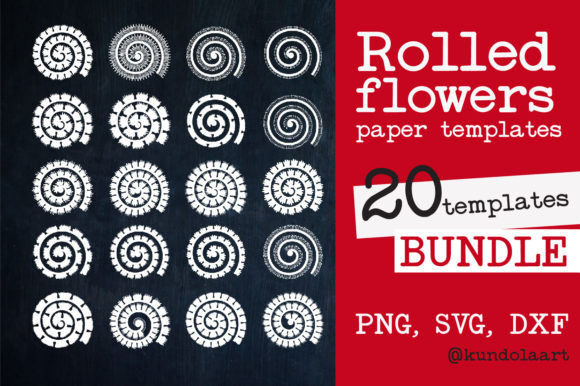
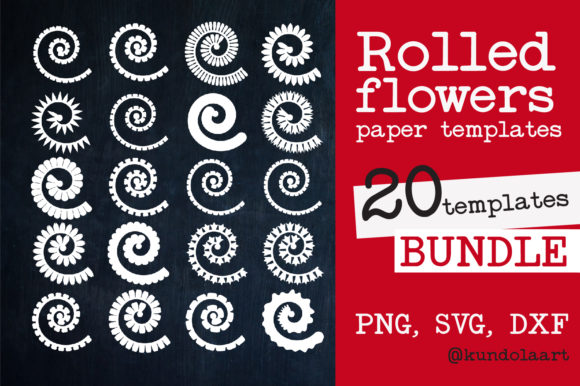
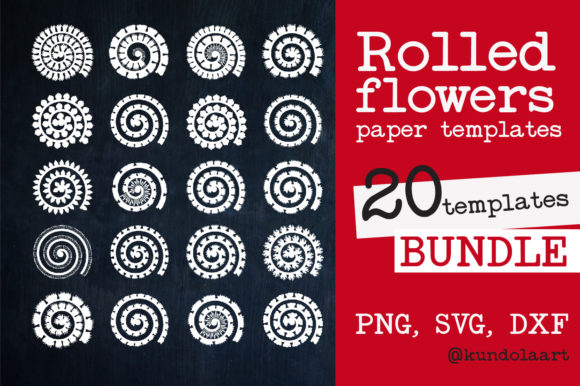
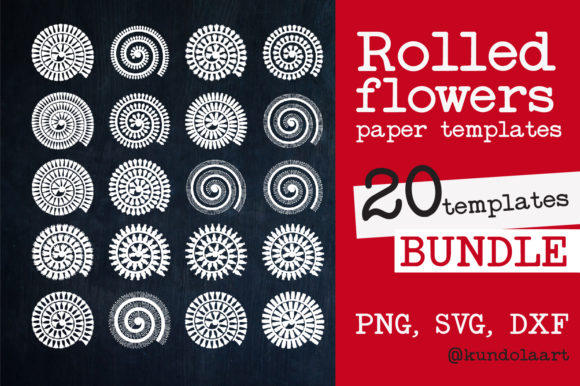
To truly appreciate the utility of these digital assets, one must first understand their structural composition. A typical rolled flower template is not merely a single shape but a collection of layered components designed to interlock or overlap seamlessly. These files usually include petals, leaves, stamens, and sometimes entire stem structures. The geometry of each petal is calculated with specific curves and angles that, when rolled along a cylindrical object like a toothpick or a specialized tool, create a natural curl. This curvature mimics the organic growth patterns found in real flowers, providing the final product with a lifelike appearance.
The inclusion of Floral origami svg files within these packages ensures compatibility with a wide range of digital workflows. SVG (Scalable Vector Graphics) is the preferred format for crafting because it uses mathematical equations to define shapes rather than pixels. This means that a flower petal can be scaled from the size of a postage stamp to the height of a door without losing any edge definition or clarity. For users working with software like Cricut Design Space, Silhouette Studio, or Cameo, these vector files provide the clean lines necessary for precise cutting, ensuring that every curve of the petal is reproduced accurately on the chosen material.
Technical Specifications and File Compatibility
When acquiring a digital craft bundle, technical specifications play a crucial role in the ease of use and the quality of the final output. The Paper Design flowers Template collections described here are comprehensive, typically containing 20 distinct files packed efficiently into a zip archive. This organization simplifies the user experience, allowing creators to access all necessary components for multiple projects without navigating complex folder structures.
- SVG Format: The primary file type included is compatible with major cutting machine software, including Cricut, Silhouette Studio, and Brother ScanNCut. This universal compatibility ensures that regardless of the hardware brand, the design data remains intact and editable.
- DXF Files: In addition to SVGs, DXF files are provided. These are particularly useful for users who prefer older versions of software or specific engineering applications. They serve as a reliable backup format for cutting paths, ensuring that the project can proceed even if there are software-specific rendering issues.
- PNG Approximations: To assist with visualization and placement, PNG files are often included at approximately 12 x 12 inches and 300 DPI. Rendered in black on a transparent background, these high-resolution images allow users to preview how the design will look before committing to a physical cut. They are also useful for printing as reference guides or for incorporating into digital scrapbooking projects.
It is important to note that while image dimensions are approximate, the vector nature of the SVG and DXF files means they can be scaled up or down to suit specific needs. A designer might need a small flower for a greeting card or a massive bloom for a wall installation; the files adapt fluidly to these requirements.
Practical Applications Across Industries
The versatility of rolled paper flowers extends far beyond simple decoration. Their ability to add dimension and elegance makes them suitable for a diverse array of industries and personal projects.
Cake Decorating and Edible Arts
In the world of confectionery, visual appeal is paramount. Cake Toppers made from rolled paper offer a sophisticated alternative to plastic decorations. Because paper flowers can be crafted from food-safe materials or placed on non-edible picks, they provide a permanent, elegant finish to wedding cakes, birthday desserts, and celebration displays. The three-dimensional nature of the rolled technique adds a luxurious feel that flat icing flowers often lack.
Wedding and Event Decor
Weddings are perhaps the most significant market for large-scale paper florals. Shade Boxes, arches, and centerpieces can be transformed with cascading rolls of paper blooms. These decorations are lightweight, cost-effective compared to fresh flowers, and do not wilt or require water. Furthermore, they can be customized to match any color palette, ensuring consistency throughout the event. For Wreaths, whether used as door decorations or table settings, the rolled technique creates a full, lush appearance that catches light beautifully.
Romantic Gifts and Personalized Keepsakes
Beyond commercial applications, these templates empower individuals to create heartfelt gifts. For Valentine’s Day or an anniversary, a handcrafted bouquet of paper roses or peonies serves as a lasting symbol of affection. Unlike fresh flowers, which fade quickly, a well-made paper arrangement can become a treasured keepsake. Similarly, for Mother’s Day, a custom-wrapped gift box adorned with a delicate paper flower adds a personal touch that demonstrates effort and care. These items are perfect for lovers looking to add a romantic evening ambiance with handmade decor elements.
Workflow and Best Practices for Crafting
Creating successful rolled flowers requires more than just having the right files; it involves a mindful workflow and attention to detail. The process begins with selecting the appropriate material. While standard cardstock works well for beginners, specialty papers such as tissue paper, crepe paper, or metallic foil can elevate the final result. Crepe paper, in particular, offers stretchability that enhances the rolling effect, allowing for tighter curls and more realistic textures.
Once the material is selected, the cutting phase is critical. Ensure that your cutting machine’s blade is sharp and the mat is clean to prevent dragging or tearing. When loading the design into your software, double-check the scale to ensure it matches your intended output size. After cutting, the assembly process involves rolling each petal around a thin rod or tool. The tightness of the roll determines the openness of the flower; tighter rolls create closed buds, while looser rolls result in fully bloomed flowers.
Assembly often involves layering these rolled petals around a central core. Glue dots or hot glue are commonly used to secure the layers. Taking time to adjust the angle of each petal during gluing ensures a natural, organic look rather than a rigid, mechanical appearance. This step-by-step approach transforms the abstract digital design into a tangible piece of art.
Considerations for Professional Creators
For business owners and educators, the Rolled Flower Paper Template represents a scalable product opportunity. Digital downloads have low overhead costs and high profit margins once the initial design work is complete. Educators can use these files to teach students about geometry, spatial reasoning, and fine motor skills through hands-on crafting activities. The repetitive nature of rolling identical petals introduces concepts of symmetry and pattern recognition.
However, professionals must also consider the learning curve associated with these projects. Not all customers may be experienced with cutting machines or paper crafting. Providing clear tutorials, video guides, or recommended material lists alongside the download can enhance customer satisfaction and reduce support inquiries. Additionally, emphasizing the durability and reusability of paper flowers can help position them as a sustainable alternative to single-use plastic decorations.
Conclusion
The availability of high-quality Floral origami svg files and Paper Design flowers Template bundles has democratized the creation of complex 3D paper art. By combining the precision of digital cutting with the tactile beauty of manual assembly, creators can produce stunning results for weddings, holidays, and everyday decor. With formats like SVG and DXF ensuring broad compatibility and PNG previews aiding in planning, these resources offer a complete toolkit for both novice crafters and seasoned professionals. As the demand for personalized, handmade aesthetics continues to grow, mastering the art of rolled paper flowers provides a valuable skill set that bridges the gap between technology and tradition.